
The restaurant’s owner will look at the sales before focusing on the bottom line before closing the report.
Does this sound familiar?
If only these two numbers are scrutinized the report’s true worth is diminished.
Bookkeeping for restaurants that is efficient shouldn’t leave owners more dependent on an accountant. They should be more confident with their own numbers. It is not necessary to be aware of each accounting rule, or have to spend hours completing invoices. You must understand how profit has changed and what’s happened to food and labor costs, and the questions that should be addressed next week.
This is the premise Bookkeeping Chef’s mission: to automate the bookkeeping tasks that doesn’t require a proprietor’s time, while providing restaurant owners with greater financial transparency that they can actually use.
You should begin by looking at Weekly Numbers and Not just Month-End
A monthly P&L is important, however restaurants don’t operate monthly. Managers set up their work schedules for the week. Chefs order food right now. Vendors change prices now.
The weekly reports on Bookkeeping Chef’s prime-cost report are provided alongside the monthly financial statements.
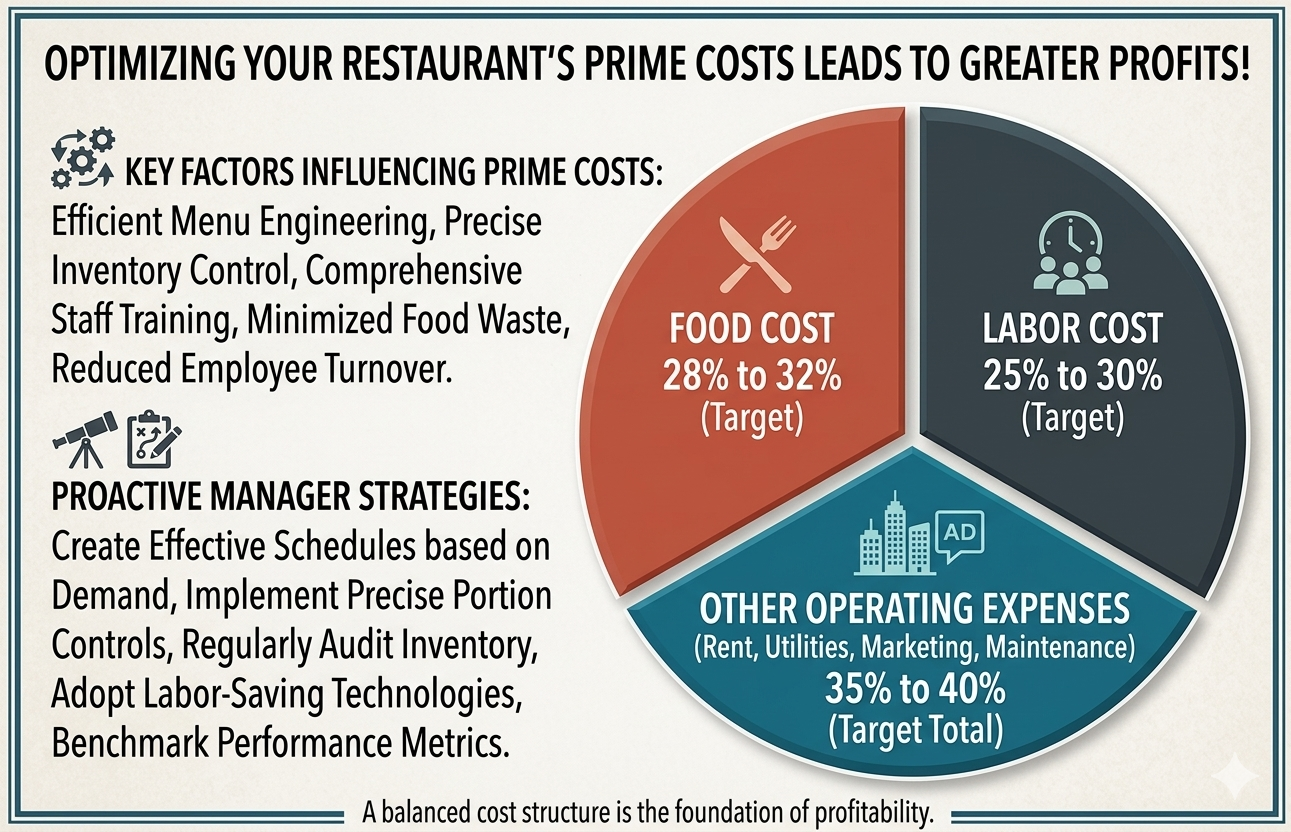
The main cost is a combination of cost of the goods and labor, two areas in which the restaurant could accelerate its progress. The Bookkeeping Chef’s information notes that prime costs typically represent around 60% of sales in restaurants.
Imagine a situation in which sales aren’t even changing and the costs of primary production are rising. This percentage isn’t an answer. This gives the owner an opportunity to conduct some research.
Did you notice an increase in hours employed? Was there an overtime? Did food cost move? The invoice from the vendor seemed oddly large? Have the sales mix changed?
This is much better than finding the same issue several weeks later.
Automate repetitive tasks
The DIY bookkeeping process doesn’t have to be limited to manually transferring POS numbers into spreadsheets.
Automating the bookkeeping processes of restaurants can reduce repeated data movement. The service is able to integrate systems like POS as well as QuickBooks payroll vendor platforms and inventory management.
Automation is not the goal.
It’s a way to streamline data entry and to keep accounting records up to date so that owners have the ability to spend time looking through information rather than creating it.
That creates a different model of bookkeeping for restaurants. technology takes care of more mechanics, while the owner stays active in the financial aspect.
Learn to ask the P&L More Questions
When you stop treating the P&L like a test, it will become less daunting.
Begin with sales. Next, examine the cost of production. Compare the food and drink performances. Look at the cost of labor. See the work.
More importantly, compare periods.
If profit increased but sales rose, didn’t, something between those two lines has changed. Ask what changed within the organization if food costs increased. If the labor rate changed in the past, look at sales and staffing activity. Investigate any numbers that seem odd rather than just assuming that the restaurant was not doing well during the week.
Bookkeeping Chef offers monthly P&Ls that are finalized within five days. Owners can review the financial performance of their business without having to wait for months to receive financial statements.
For owners searching bookkeeping restaurant solutions, speed is useful but understanding is the bigger objective.
DIY doesn’t have to mean Making Everything You Need
There’s a compromise between delegating all financial functions to someone else and having your own bookkeeper full-time.
You can be involved as a business owner and not be required to complete the entire accounting process by hand.
This could include automatizing systems to ensure information flow, looking over the monthly P&L and a weekly report on the primary costs or asking questions when something unexpected happens.
Specialized restaurant bookkeeping can help with this approach by making sure the books are in order and helping the restaurant owner know what they are.
The result isn’t a owner who can do every bookkeeping function.
Owners who are able to take a seat and converse intelligently about their company with the P&L are more likely to succeed.
The Objective Is Financial Independence, Not More Reports
Restaurants produce a lot of information. Dashboards don’t always make sense.
Real value occurs when an operator can open a P&L report, recognize that there has been a change, and then go through the reports on the cost of prime.
Bookkeeping Chef’s method combines restaurant bookkeeping automation daily reporting monthly P&Ls, as well as the financial support for specific restaurants to help you achieve this.
Automate repetitive work. Check your prime costs every week. Understand the language employed in your P&L.
You do not need to be an accountant.
You can be a successful owner who knows the financials of your restaurant.