
If you have ever been required to undergo an MRI scan, CT scan or X-ray by a doctor You might be asking what the reason for this particular examination was recommended. Each of them produces images of what is happening within the body. Why aren’t the two interchangeable, then?
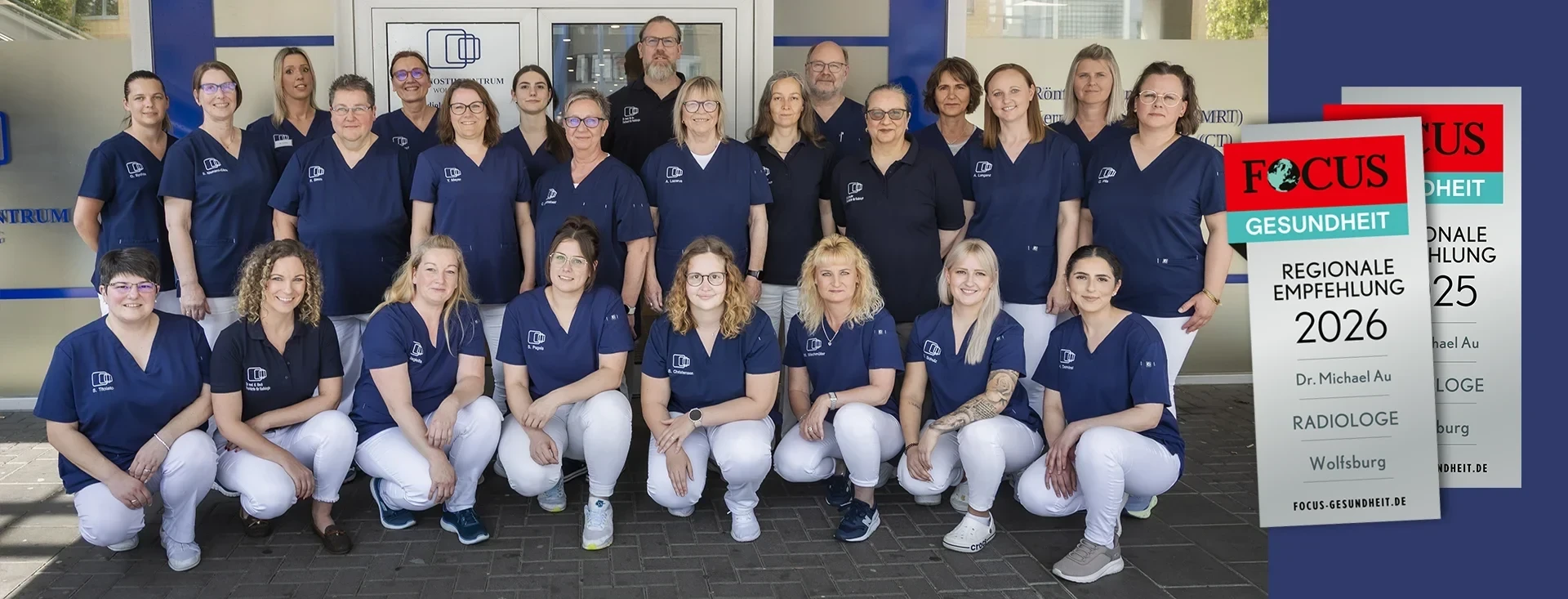
Image credit: diagnostikzentrum-wolfsburg.de
Modern diagnostic imaging is more akin to an instrument. The various technologies create information in a different manner and the best technique to utilize is determined by the part of the human body is being examined and the query that has to be answered. At the Wolfsburg Diagnostic Center, there are a variety of imaging techniques are offered so that tests can be adjusted to different diagnostic needs.
MRI Examines the body with no Ionizing radiation
Magnetic resonance imaging or MRI uses radiofrequency technology and magnetic fields instead of ionizing radiation to produce detailed images. MRI can be used to see soft tissue joints, organs, joints and various internal structures. Joint problems patients, for instance, may require more information than what can be gathered using a standard Xray.
The Wolfsburg Diagnostic Center also provides special prostate MRI and complete body MRI exams. These services are based upon the ability of MRI to produce detailed images without the need to expose patients ionizing radiation.
CT creates detailed cross sectional views
The approach to imaging is different for CT. CT imaging is produced by combining Xrays with computer processing. CT images are produced as slices, rather than a single image. This permits doctors to look at specific medical issues.
The center uses low-dose CT which is a cutting-edge technology that cuts radiation exposure for the purpose of obtaining medical information. CT imaging can also help in the treatment process. Periradicular treatment, or PRT, is a targeted injection therapy that utilizes CT guidance.
The traditional X-ray has an important function
The use of conventional radiography isn’t out of date. Digital Xrays can be used for many different situations, and especially when doctors have to look at structures like bones. Digital systems are also more efficient and emit less radiation than older methods. For more information, click here radiologie Wolfsburg
Sometimes, the most difficult test isn’t the most appropriate one. The most reliable method of diagnosis is selecting technologies based on the clinical question and not based on the latest technology.
Breast Imaging has its own special technology
Mammography is specially designed for breast-related diagnostics. In addition to standard mammography, the Wolfsburg Diagnostic Center provides 3D mammography. This is also referred to as tomosynthesis. The technology produces multiple images, which are then reconstructed in order to present a precise view of the breast tissue. It is vital to utilize the right imaging technique because different parts of the body present different problems for diagnosis.
A fresh image can be made more useful with an old image
A scan that you undergo today can reveal vital information regarding your body. Comparing scans from the past with an upcoming one could be equally beneficial.
If doctors have older images and results, they may be better at assessing changes over time as opposed to interpreting the present exam on its own. Patients are encouraged to bring their prior scans and results to appointments.
Technology can be more efficient when patients Understand the Process
The Wolfsburg Diagnostic Center The Wolfsburg Diagnostic Center combines MRI as well as CT with digital X-rays 3D mammography, and image-guided treatments. It focuses on the communication of patients and their organization.
The center gives patients clear explanations about the examinations as well as the medical procedures. Educational videos are also accessible. Quick waiting times and coordinated scheduling are as well as a part of the center’s strategy. Modern diagnostic medicine is dependent on advanced technology, however scanners shouldn’t have to be a mysterious technical procedure.
Knowing the goal of a specific examination and what the patient can expect from it will allow patients to be more informed. It is also possible that advanced medical technology is more understandable.